





























The History and Global Value of Paper Products
Paper is one of humanity’s most transformative inventions, reshaping communication, trade and daily life for more than two thousand years. Originating in ancient China, paper gradually replaced heavy bamboo slips, clay tablets and expensive parchment, making knowledge affordable and accessible across continents. Today, paper products remain deeply embedded in every corner of modern society, even amid the digital revolution.
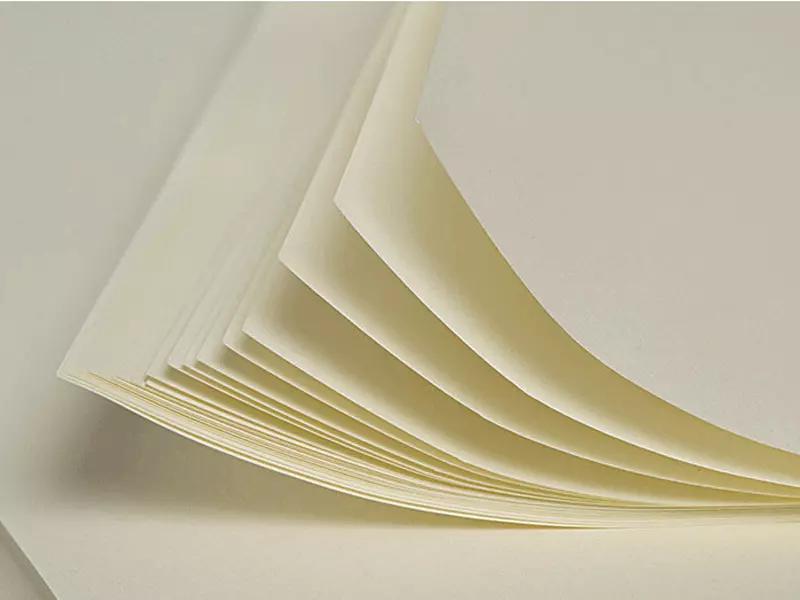
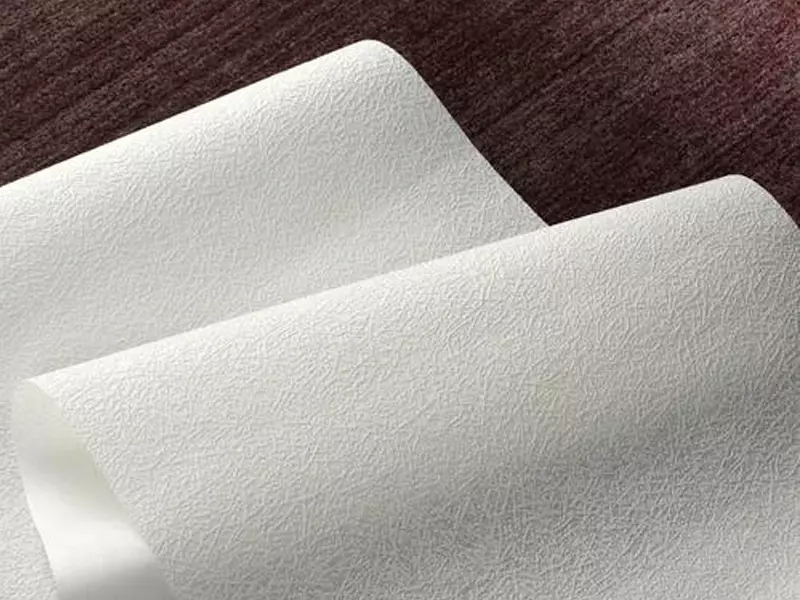
The paper family covers a wide range of goods: printing paper, kraft paper, corrugated cardboard, tissue, paper cups, food cartons and stationery. Unlike many man-made materials, paper uses plant cellulose as raw material. Its natural printability, lightweight property and low cost make it irreplaceable. Offices rely on copy paper for contracts and reports; schools use notebooks for learning; retail and e-commerce depend on paper boxes to deliver goods safely.

Many people assume digitalization will eliminate paper. In fact, demand shifts rather than disappears. While demand for traditional newsprint and office printing paper declines, packaging paper grows rapidly with global online shopping. Paper products also support small businesses, publishing industries and global logistics networks.
Nevertheless, the industry faces public concerns over forest consumption. Modern paper producers adopt sustainable forest management and recycled fiber to balance supply and environmental protection. From ancient hand-made sheets to automated paper mills, paper continues to evolve. It is not merely a product for writing, but a foundational material that connects culture, commerce and sustainable development.
Previous: No More